What are the parental rights in Washington state?
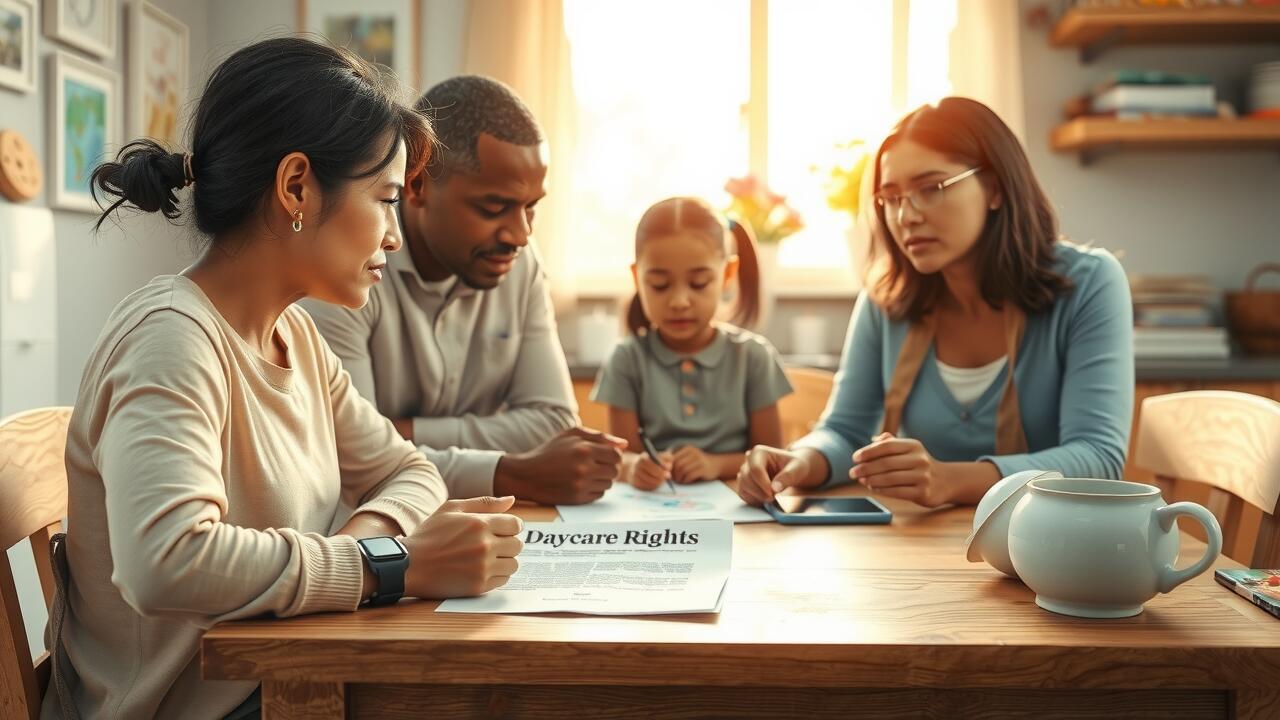
Impact of Domestic Violence on Parental Rights
Domestic violence significantly affects parental rights in Washington State. Courts take allegations of violence seriously, prioritizing the safety of children during custody determinations. A parent with a history of abusive behavior may face limitations or restrictions on their visitation rights. Such restrictions aim to protect the child from potential harm, which can lead the court to favor the non-offending parent in custody arrangements.
The legal system also provides mechanisms for victims to seek protection. Restraining orders can restrict an abusive parent’s access to their children, impacting their parenting rights during ongoing legal proceedings. Additionally, any evidence of domestic violence may influence the court's decisions regarding parenting plans and visitation schedules. These factors illustrate how the presence of domestic violence can lead to profound changes in parental rights and responsibilities.
Legal Protections for Victims
In Washington state, victims of domestic violence have access to several legal protections that can significantly impact parental rights. Protection orders can be sought swiftly, allowing courts to establish clear boundaries and safety measures for victims and their children. Law enforcement agencies are trained to respond to incidents of domestic violence, ensuring that victims receive immediate assistance and legal recourse.
Additionally, Washington law recognizes the importance of safeguarding the wellbeing of children in domestic violence situations. Courts may limit or supervise the contact that an abusive parent has with their children. This helps create a safer environment for the victim and the children involved while navigating parental rights and custody arrangements. Organizations and legal aid services are available to support victims in understanding and asserting their rights during this challenging time.
Rights During Child Custody Disputes
When parents separate or divorce, child custody disputes often arise. In Washington State, both parents have the right to seek custody and visitation arrangements that serve the best interests of the child. This can involve shared parenting plans where both parents are actively involved in their child's life. The court prioritizes the child's welfare when determining custody and may consider various factors, including the child's relationship with each parent, the parents' ability to provide for the child's needs, and any history of domestic violence or substance abuse.
During custody disputes, both sides have the right to present their case in court. This includes providing evidence, calling witnesses, and seeking legal representation to advocate for their interests. The court may appoint a guardian ad litem to represent the child's best interests, offering an additional layer of support in navigating complex situations. Parents must adhere to the guidelines set forth by the court regarding custody arrangements while any disputes are ongoing, ensuring that the children's well-being remains the focal point in all decisions made.
The Role of the Court
The court plays a crucial role in determining custody arrangements and parental rights in Washington state. When parents undergo a separation or divorce, the court assesses various factors to ensure the child's best interests are prioritized. This includes evaluating the living situations, the ability to provide for the child, and the nature of the relationship each parent has with their child. All relevant evidence is considered during custody hearings, which can include testimonies from friends, family, and experts.
Judges have broad discretion in making decisions that impact parental rights. They strive to create a fair and appropriate arrangement that fosters a healthy environment for the child. The court may issue temporary orders while the case is pending, ensuring that necessary support and stability are maintained. Additionally, parents can be required to engage in mediation, which promotes cooperative solutions outside the courtroom. The court's ultimate aim is to protect the child's well-being throughout the legal process.
Importance of Child Support
Child support serves a critical role in ensuring that children's needs are met, even when parents separate or divorce. It provides financial resources necessary for housing, food, education, and healthcare. These payments are designed to help maintain a standard of living for the child that is comparable to what they would have experienced had the parents remained together.
Establishing a clear child support order is essential for both parents. This formal agreement clarifies the financial responsibilities and expectations, reducing potential disputes over money. Courts in Washington state have specific guidelines to determine the amount of support, factoring in the income of both parents and the child's needs, which promotes fairness and accountability in child-rearing responsibilities.
Legal Obligations and Enforcement
In Washington State, child support obligations are determined based on a formula that takes into account the incomes of both parents, the number of children, and other relevant factors. Courts typically set these payments to ensure children receive the financial support they need for their upbringing. When one parent fails to meet their child support obligations, it can significantly impact the child's standard of living. The law allows the custodial parent to seek enforcement through various means.
If a parent neglects their fiduciary duty to pay child support, several enforcement methods may be pursued. The state can garnish wages or intercept tax refunds to collect overdue payments. Additionally, non-compliance can lead to serious consequences such as suspension of driver's licenses and even jail time in severe cases. Resources are available for custodial parents to navigate these legal channels effectively and ensure the support due is received.
FAQS
What are parental rights in Washington State?
Parental rights in Washington State refer to the legal rights and responsibilities that parents have concerning their children, including the right to make decisions about their education, healthcare, and overall welfare.
How does domestic violence affect parental rights in Washington State?
Domestic violence can significantly impact parental rights in Washington State, as courts may limit or supervise a parent's visitation or custody rights to protect the child and the other parent from potential harm.
What legal protections are available for victims of domestic violence in Washington State?
Victims of domestic violence in Washington State are entitled to various legal protections, including restraining orders, custody arrangements that prioritize the safety of the victim and child, and access to resources such as shelters and legal assistance.
What rights do parents have during child custody disputes in Washington State?
During child custody disputes in Washington State, parents have the right to present their case in court, access legal representation, and request parenting plans that serve the best interests of the child.
What is the role of the court in determining parental rights and custody in Washington State?
The court's role in determining parental rights and custody in Washington State is to evaluate the evidence presented by both parties, consider the child's best interests, and make decisions regarding custody arrangements and visitation rights.
Why is child support important in Washington State?
Child support is essential in Washington State as it ensures that the child's financial needs are met, providing for their basic necessities such as food, clothing, and education, while also promoting stability in their living situation.
What are the legal obligations regarding child support in Washington State?
Parents in Washington State have a legal obligation to provide financial support for their children, which is typically determined through state guidelines based on income and the needs of the child. Failure to comply with these obligations can result in enforcement actions.
How can child support orders be enforced in Washington State?
Child support orders in Washington State can be enforced through various means, including wage garnishment, income withholding, and legal penalties for non-compliance, ensuring that custodial parents receive the support they are owed.